


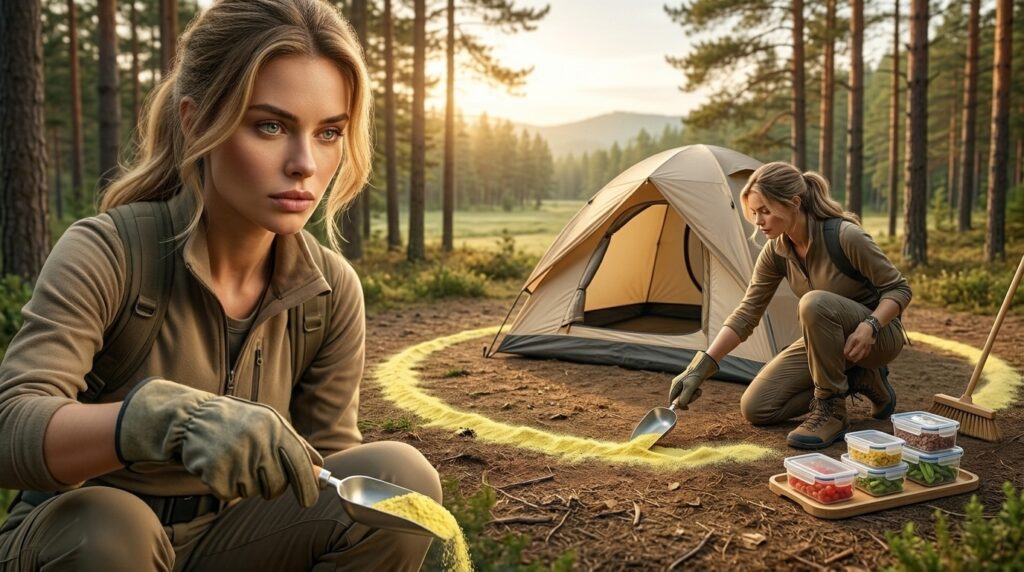
Pitching a tent under the canopy of a star-filled sky is one of life’s greatest therapeutic escapes. Whether you are traversing the sun-drenched desert scrub of Texas, trekking through the lush, emerald forests of Washington, exploring the rugged trails of California, camping near the rolling hills of San Francisco’s regional parks, or navigating the rustic woodlands of New York, the outdoor experience reconnects us with nature in its rawest form.
However, sharing the wilderness with local wildlife means crossing paths with creatures that make many campers uneasy. At the top of that list are snakes. The thought of a slithering, cold-blooded visitor seeking the warmth, moisture, or shelter of your tent can turn an otherwise relaxing getaway into a source of constant vigilance.
For generations, campers have searched for the magic bullet—a quick fix like pouring salt, dusting sulfur, or tossing mothballs around their campsite perimeter. As we have explored across outdoor safety guides on myecoadventure.com, those old wives’ tales simply do not work and can even pose environmental and health hazards.
So, what actually works? What is the absolute best way to keep snakes away from your tent?
In this exhaustive, masterclass guide designed for peak Google SEO performance and maximum reader value, we will uncover the definitive, science-backed strategy to snake-proof your campsite, review top-rated protective gear, break down regional risks, and provide you with actionable rules for complete peace of mind.
Part 1: The Core Philosophy – Why Snakes Approach Tents
Before you can effectively keep snakes away, you must understand why they approach human campsites in the first place. Snakes do not possess malice, nor do they seek out humans to interact with them. Every movement a snake makes is driven by basic survival instincts:
- Thermoregulation (Temperature Control): Snakes are ectothermic (cold-blooded). They cannot regulate their internal body temperature. At night, as ambient temperatures drop, stones, asphalt, and tent fabric that absorbed heat during the day become attractive thermal beacons. Furthermore, a tent provides a windbreak and a pocket of trapped micro-climate warmth.
- Moisture: Particularly in arid regions like West Texas or Southern California, morning dew, condensation on tent rainflies, or spilled water can attract thirsty reptiles.
- Shelter and Security: Snakes are vulnerable prey for birds of prey, coyotes, and foxes. They naturally seek dark, tight crevices—such as the space underneath a rainfly, a coiled-up sleeping bag, or an unzipped duffel bag.
- Food Sources (Rodents and Insects): Human campsites are magnets for mice, chipmunks, and insects, which are drawn to unsecured food scraps and trash. Where rodents go, predatory snakes will quickly follow.
Part 2: The Absolute Best Way – Multi-Layered Perimeter Defense
Herpetologists and wilderness survival experts agree that no single magic spray or chemical powder can guarantee a snake-free campsite. Instead, the absolute best defense is a multi-layered, proactive prevention strategy focused on habitat modification and physical exclusion.
Here is how the multi-layered defense system works in practice:
Layer 1: Strategic Site Selection and Pre-Clearing
Your defense starts long before you hammer your first tent stake into the ground.
- Avoid High-Risk Zones: Do not pitch your tent near dense brush piles, tall unmowed grass, rocky outcrops, or standing bodies of water where frogs and aquatic snakes thrive.
- The 3-Foot Bare Earth Rule: Clear a wide perimeter around your entire tent footprint. Rake away all fallen leaves, twigs, rocks, and tall weeds. A snake will rarely cross an exposed, open strip of bare ground where it feels completely exposed to aerial predators.
Layer 2: Physical Exclusion (The Tent Skirt & Mesh Barrier)
Chemicals fail because snakes crawl right over them, but physical barriers are 100% effective.
- Invest in a fine-mesh tent skirt or hardware cloth buried a few inches into the dirt around your tent base. This creates an impenetrable physical wall that blocks not only snakes, but also frogs, toads, and large crawling insects.
Layer 3: Elimination of Food and Moisture Attractants
- Store all food, snacks, and pet food in airtight, hard-sided containers inside your vehicle or bear locker.
- Never leave trash or greywater exposed near your sleeping quarters. By starving out the mice and rodents, you remove the primary culinary reason for a snake to investigate your tent.
Part 3: Comparative Analysis – Snake Prevention Strategies Ranked
To help you understand where to invest your time and budget on your next camping trip, here is a detailed comparative breakdown of snake prevention methods.
| Prevention Method | Effectiveness | Cost | Safety | Ease of Use | Weather Resilience |
| Physical Mesh Tent Skirts | 9.5 / 10 | Moderate ($30-$50) | 100% Safe | Moderate | High |
| Campsite Debris Clearing | 9.0 / 10 | Free | 100% Safe | Labor-Intensive | High |
| Strict Food Storage & Sanitation | 8.5 / 10 | Low | 100% Safe | Easy | High |
| Commercial Granular Repellents | 3.0 / 10 | Moderate ($15-$25) | Low (Chemical irritant) | Easy | Low (Washes away in rain) |
| Essential Oil Sprays | 2.5 / 10 | Low-Mod ($15-$30) | Moderate | Easy | Very Low (Evaporates fast) |
| Sulfur and Salt Barriers | 0.5 / 10 | Very Low | Low (Toxic/Damaging) | Easy | Zero (Dissolves instantly) |
Part 4: Product Reviews – Top Gear for Ultimate Campsite Security
When you want proven gear to protect your family while camping across the United States, look to products that rely on engineering and physical barriers rather than unproven chemical myths.
1. Snakemaster Pro Fine Mesh Tent Skirt & Barrier Netting
- Type: Physical Exclusion Barrier
- Overview: A heavy-duty, tightly woven fine mesh screen designed to wrap seamlessly around the base of dome and cabin tents, anchoring firmly into the soil with heavy-duty stakes.
- Pros: Completely non-toxic, highly durable, creates an absolute block against snakes, rodents, and crawling insects.
- Cons: Requires a few additional minutes during campsite setup.
- Rating: 4.9 / 5.0
- Price Range: Mid ($30 – $50)
2. Bio-Shield Snake Gaiters (Puncture-Proof Lower Leg Protection)
- Type: Personal Safety Gear
- Overview: Adjustable, ultra-tough lower-leg guards designed to protect your shins and calves while hiking through tall brush or setting up camp in high-snake regions like Texas or California.
- Pros: Impervious to venomous fangs; lightweight; essential for active campers.
- Cons: Protects the wearer, but does not secure the tent itself.
- Rating: 4.8 / 5.0
- Price Range: High ($40 – $70)
3. Guardian Elite Hard-Sided Bear & Rodent-Proof Food Vault
- Type: Wildlife Attractant Elimination
- Overview: Airtight, bear-resistant and rodent-proof storage containers that completely eliminate food odors from leaking into your campsite.
- Pros: Keeps mice and rats away, thereby cutting off the food chain that attracts predatory snakes.
- Cons: Bulky to pack if backpacking.
- Rating: 4.7 / 5.0
- Price Range: High ($50 – $90)
4. Exterminators Choice Natural Snake Defense Spray
- Type: Botanical Deterrent Spray
- Overview: A natural essential oil blend (cinnamon, clove, garlic) meant to be sprayed around equipment perimeters as a supplementary, temporary deterrent.
- Pros: Smells natural, eco-friendly, safe for pets and children once dry.
- Cons: Evaporates rapidly in open-air environments and requires frequent reapplication.
- Rating: 3.8 / 5.0
- Price Range: Mid ($20 – $30)
Part 5: Regional Snake Dynamics – Texas, New York, California, & Washington
Snake behaviors and species vary wildly depending on your geographic destination. Tailoring your camping strategy to your specific region ensures maximum safety.
1. Texas (The Lone Star State)
- Key Species: Western Diamondback Rattlesnake, Copperhead, Cottonmouth, Texas Coral Snake.
- Environment: Arid brush, rocky terrain, and river bottoms.
- Best Strategy: Texas snakes are active during warmer months, often foraging at night. Always use high-lumen flashlights when walking around your campsite after dark, and never leave boots outside your tent.
2. New York & The Northeast
- Key Species: Timber Rattlesnake, Eastern Copperhead, Milk Snake, Garter Snake.
- Environment: Forested hills, rocky ledges, and damp woodlands.
- Best Strategy: When camping in regions like the Adirondacks, be cautious when gathering firewood. Use a long stick to roll away logs rather than using your bare hands.
3. California & San Francisco Bay Area
- Key Species: Pacific Rattlesnake, Red Diamond Rattlesnake, Gopher Snake.
- Environment: Chaparral, oak woodlands, coastal scrub, and dry grasslands.
- Best Strategy: California chaparral can conceal snakes easily. Keep dogs leashed at all times and stick strictly to established hiking trails to avoid surprising a resting reptile.
4. Washington & The Pacific Northwest
- Key Species: Northern Pacific Rattlesnake, Common Garter Snake, Rubber Boa.
- Environment: Dry eastern Washington river valleys and damp western forests.
- Best Strategy: While venomous snakes are rare in the wet western rainforests, they are common east of the Cascade Mountains. Focus heavily on keeping tent mesh fully zipped to keep out damp-seeking reptiles.
Part 6: 10 Essential Rules for a Snake-Free Campsite
To solidify your defense strategy, commit these ten expert rules from myecoadventure.com to memory before your next outdoor expedition:
Golden Rule of Camping: Prevention is infinitely more effective than reaction. Keep your camp clean, clear, and closed tight.
- Keep Zippers Fully Closed: Never leave tent doors, windows, or mesh panels unzipped, even for a few seconds. Snakes can climb fabric and slip through remarkably small gaps.
- Elevate Your Gear: Avoid piling backpacks, clothing, or sleeping bags directly on the tent floor. Use camp cots, hammocks, or gear shelves to create vertical separation.
- Shake Out Shoes Every Morning: Always turn your hiking boots upside down and tap them firmly before slipping your feet into them. Dark, enclosed boots are favorite hiding spots for nocturnal critters.
- Manage Trash Religiously: Pack out all food waste immediately or store it in airtight, locking containers. Food scraps invite mice, and mice invite snakes.
- Ditch the Chemical Myths: Do not waste money or time on salt, sulfur, or mothballs. They do not repel snakes and can harm the local ecosystem.
- Clear Your Perimeter Vegetation: Rake away grass, leaves, and debris in a 3-foot ring around your tent to eliminate natural cover.
- Use High-Lumen Flashlights at Night: Never walk around your campsite in the dark without a powerful headlamp or flashlight pointing at the ground.
- Avoid Standing Water: Pitch your tent away from stagnant puddles, streams, or marshy banks where amphibians (a snake’s favorite meal) congregate.
- Stay Calm During an Encounter: If you see a snake near your tent, freeze, step back slowly, and give it room to escape. Do not attempt to touch, corner, or kill it.
- Know Wilderness First Aid: Carry an emergency communication device, know the location of the nearest medical facility, and understand that modern first aid dictates staying calm and seeking professional medical care rather than using tourniquets or cutting wounds.
Part 7: Frequently Asked Questions (FAQ)
1. What is the absolute best way to keep snakes away from my tent?
The absolute best way is a combination of site selection, clearing a 3-foot bare earth perimeter, using a physical mesh tent skirt, and eliminating food sources that attract rodents.
2. Do store-bought chemical snake repellents actually work?
Most commercial chemical repellents (often containing sulfur or naphthalene) have very limited effectiveness. Snakes can easily bypass them if motivated by hunger, thirst, or shelter-seeking behavior.
3. Can snakes climb up the sides of a nylon tent?
While snakes cannot scale smooth vertical walls effortlessly, they can easily climb textured tent fabric, wrinkles in rainflies, or guy lines that touch the ground or low-hanging tree branches.
4. What should I do if I find a snake inside my tent?
Do not panic or make sudden aggressive movements. Slowly unzip the door wider to give the snake an unobstructed exit, or gently guide it outside using a long broom or tent pole from a safe distance. If it is venomous, evacuate immediately and contact camp authorities.
5. Do ultrasonic or vibration ground stakes repel snakes?
Scientific testing shows that ultrasonic and vibration-emitting stakes are largely ineffective. Snakes quickly habituate to steady mechanical buzzing noises.
6. Are rubber fake snakes effective at scaring real snakes away?
No. Real snakes do not view rubber toys as territorial rivals or predators, and wildlife quickly ignores stationary plastic or rubber figures.
7. How do I make sure mice don’t attract snakes to my campsite?
Store all food in hard-sided, airtight containers, never leave dirty dishes out overnight, and pack out all food garbage immediately in sealed trash bags.
8. Are most snakes found near campsites venomous?
No. The vast majority of snakes encountered while camping (such as garter snakes, rat snakes, and king snakes) are completely non-venomous and beneficial to the ecosystem. However, knowing your regional venomous species is essential.
9. Why do snakes seem to appear out of nowhere around campfires?
Snakes are attracted to residual ground warmth after a fire dies down, as well as the insects and rodents drawn to the light and food remnants of human gatherings.
10. How can I protect my pets from snakes while camping?
Keep your dogs on a secure leash at all times, prevent them from sticking their snouts into brush piles or rodent burrows, and check with your veterinarian about local snake aversion training or vaccines where available.
Conclusion
When planning your next outdoor excursion across the breathtaking landscapes of Texas, New York, California, Washington, or San Francisco, snake anxiety should never overshadow your enjoyment of nature.
To answer our guiding question: The absolute best way to keep snakes away from your tent is through a rigorous, multi-layered physical defense—clearing your campsite perimeter, installing a physical mesh barrier, and eliminating food sources that attract rodents. Reject outdated chemical myths like salt and sulfur, and rely instead on smart campsite management and preparedness.
By respecting wildlife habitats and implementing these proven strategies recommended by myecoadventure.com, you can ensure a safe, secure, and unforgettable adventure under the stars.


