


Winter can be a magical season for children, offering unique opportunities for physical activity, exploration, and creative play. However, for parents, the drop in temperature often brings a pressing question: At what point is it too cold for my child to be outside?
Understanding the safety “zones” of winter play is the key to balancing the benefits of fresh air with the necessary precautions to prevent cold-related illnesses like frostbite and hypothermia.
What is the unsafe outdoor temperature for children in winter?
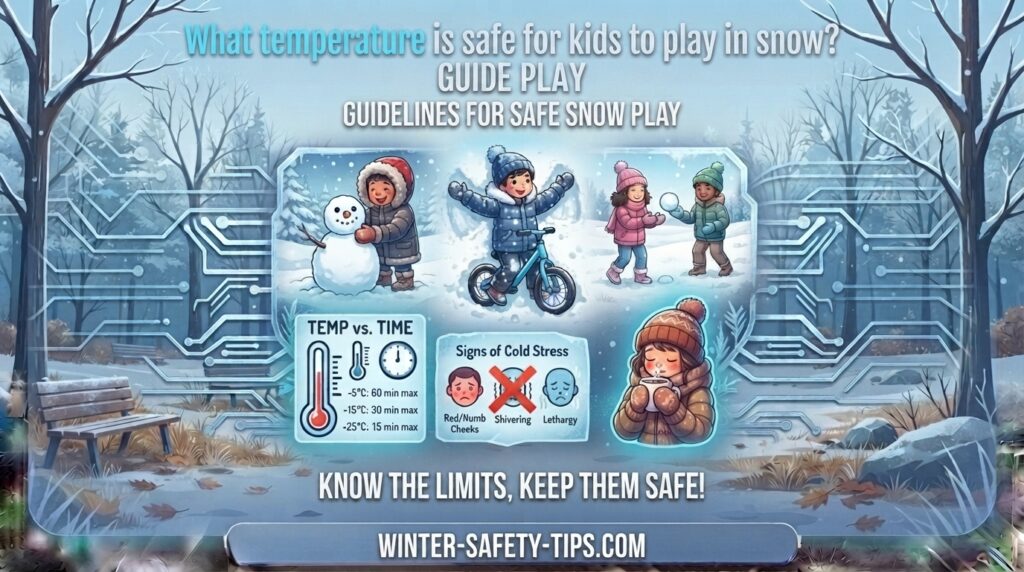
To help parents make quick, informed decisions, safety experts often categorize outdoor conditions into three distinct “zones”.
1. The Green Zone (30°F and Higher)
At 30°F (-1°C) or above, it is generally considered safe for children to play outside.
- The Approach: This is your window for longer periods of activity.
- Best Practices: While the temperature is safe, you must still ensure children are dressed in layers, wearing hats and mittens, and staying hydrated.
2. The Yellow Zone (20°F – 30°F)
When temperatures drop between 20°F and 30°F (-6°C to -1°C), proceed with caution.
- The Approach: Children can still play, but their body heat is lost much more rapidly in this range.
- Best Practices: You should monitor them closely. It is essential to enforce shorter play intervals and mandate more frequent “warm-up” breaks inside the house.
3. The Red Zone (Below 20°F)
When the temperature—or more importantly, the wind chill—drops below 20°F (-6°C), the risk of cold-related injury increases significantly.
- The Approach: The official recommendation is to stay indoors.
- Why? Below 20°F, frostbite can occur on exposed skin in a very short amount of time.
Crucial Tip: Always check the wind chill factor. A 30°F day can feel like 10°F if it is windy, which moves the conditions immediately into the “Red Zone”.
Why Outdoor Play Matters (Even in Winter)
It might be tempting to hibernate, but getting outside during the winter months has significant health benefits:
- Boosted Immune System: Fresh air and sunlight (which provides Vitamin D) help support a healthy immune system and mood.
- Physical Development: Trudging through snow and balancing on slippery surfaces engages different muscle groups than summer play, improving gross motor skills and agility.
- Reduced Germ Exposure: Ironically, spending all your time in tightly sealed, indoor environments can increase exposure to recirculated bacteria and viruses.
Essential Safety Tips for Snowy Days
Dress for Success (The Layering Rule)
- Base Layer: Moisture-wicking material (like thermals) to keep sweat away from the skin.
- Middle Layer: Fleece or wool to provide insulation and trap body heat.
- Outer Layer: A waterproof and windproof snow suit or jacket and pants.
- Extremities: Always wear a hat to retain head heat, and choose mittens over gloves, as they keep fingers together for better warmth.
Watch for Warning Signs
Children often become so engrossed in play that they ignore their own physical cues. Keep an eye out for:
- Shivering: An early indicator that the body is losing heat.
- Numbness or Tingling: A sign of frostnip, particularly on the ears, nose, cheeks, fingers, or toes.
- Slurred Speech or Confusion: A severe symptom of hypothermia requiring immediate medical attention.
Stay Dry
Wet clothing accelerates heat loss significantly. Have a backup set of gloves and socks ready, and bring children inside to change immediately if they get soaked.
Frequently Asked Questions (FAQ)
- How long can my child stay outside in the cold? There is no universal time limit, but a good rule of thumb is to take a break every 40 minutes to warm up and check for cold toes or fingers.
- Does cold weather give kids a cold or the flu? No, viruses cause colds, not cold temperatures. However, we are more susceptible in winter because we congregate indoors.
- Should I apply sunscreen in the winter? Yes! Snow reflects UV rays, and children can still get sunburned on bright winter days.
- Are mittens better than gloves? Yes, mittens allow fingers to share warmth and are generally more effective at preventing frostbite.
- What if my child insists they aren’t cold? Trust your judgment as a parent. If they are shivering or have cold/pale extremities, bring them in regardless of what they say.
- How do I know if my baby is too cold? Check their hands and feet; if they feel icy, it’s time to head inside.
- What is the best way to warm up a child who has been out in the snow? Bring them inside, remove wet clothing, wrap them in a warm blanket, and offer a warm drink.
- Can children build snow tunnels? No, avoid tunnels or snow forts, as they can collapse and pose a suffocation risk.
- Should children wear helmets for winter sports? Absolutely. Use a ski or hockey helmet for sledding and skating, not a bicycle helmet.
- How much should they drink? Dehydration is a risk in winter, too. Offer water or warm drinks like herbal tea or cocoa frequently.
Conclusion
Winter doesn’t have to be a season of inactivity. By respecting the temperature zones, layering effectively, and staying vigilant for warning signs, you can ensure your children have a safe, healthy, and exhilarating time in the snow. Embrace the season, pack an extra pair of dry socks, and enjoy the unique adventures that winter brings to your family at myecoadventure.com.


