Outdoor winter activities without snow for kids

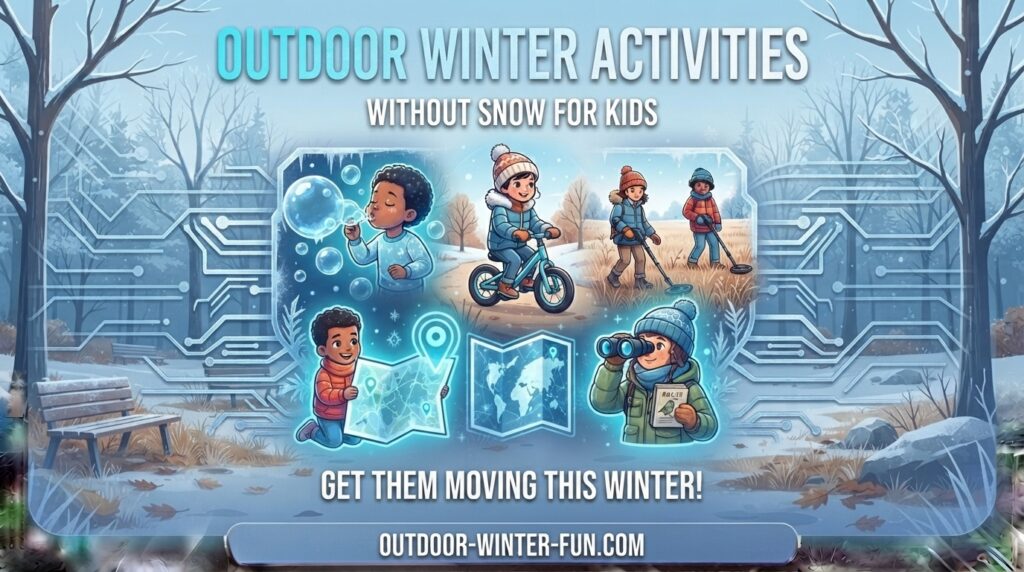
Winter doesn’t have to mean being stuck indoors. Even in regions without snow—like the mild climates of San Francisco, the coastal stretches of California, or the varied landscapes of Texas, New York, and Washington—there is a treasure trove of outdoor experiences waiting for families.
The secret to a successful “no-snow” winter adventure is simple: shift your perspective. Winter is a time of unique light, crisp air, and seasonal changes that offer a completely different lens through which to explore nature.
Why Choose Winter for Outdoor Play?
Many parents feel that once the temperature drops, the outdoors is “closed.” However, winter offers benefits that summer simply cannot:
- Fewer Crowds: Popular parks and trails are often empty, giving your kids space to run free.
- Wildlife Visibility: With leaves off the trees, it is much easier to spot birds, squirrels, and deer.
- Sensory Experiences: The sounds are crisper, the air is fresher, and the lack of summer humidity makes physical activity more comfortable.
Top Outdoor Winter Activities (No Snow Required)
1. Winter Scavenger Hunts
Winter landscapes have a specific palette. Create a list for your children to find:
- Evergreen needles: Compare the textures of pine, fir, and spruce.
- Seed pods and berries: Great for identifying local flora.
- Animal tracks: Muddy trails after a winter rain are perfect for “wildlife detective” work.
- Interesting rocks or bark: Look for mosses or lichens that thrive in the cooler, damp months.
2. Backyard “Winter Camp”
You don’t need a mountain to go “camping.” Set up a fire pit (with proper safety measures) and host a family winter picnic.
- Pro Tip: Pack a large thermos of hot cocoa or warm cider. The simple act of drinking something warm in the cold air makes the experience feel like an expedition.
3. Coastal and Botanical Exploration
In cities like San Francisco or along the California coast, winter is the perfect time to visit the beach. The summer crowds are gone, and tide pooling is often spectacular during low tides. Similarly, botanical gardens in Texas or Washington often have “winter bloomers” like camellias or witch hazel that provide color when everything else is dormant.
4. Urban Obstacle Courses
Use your local park’s playground as the base for a themed obstacle course.
- The Challenge: Balance on low walls, jump over patches of “lava” (puddles), and weave through trees.
- The Benefit: High-intensity movement keeps kids warm and burns off excess energy.
5. Nature Photography & Journaling
Give your child a camera or a sketchbook. Winter’s “golden hour”—when the sun sits lower in the sky—provides beautiful, soft light perfect for photography. Focus on the geometry of bare branches against the sky or the contrast of dark tree trunks against the gray winter clouds.
Essential Tips for Parents
Dressing for Success
The “no-snow” winter can be deceptive. It might not be freezing, but damp air can be chilling.
- The Layering Rule: Use a moisture-wicking base layer (avoid cotton), a fleece or wool insulating layer, and a wind/water-resistant outer shell.
- Keep Extremities Warm: Even if it’s 50°F (10°C), kids will get cold if their hands and ears are exposed to wind. Keep hats and gloves accessible.
Embrace the Weather
Don’t wait for “perfect” weather. If it’s drizzling, bring rain boots and splash in puddles. If it’s windy, fly a kite. Flexibility is the key to making winter outdoor time a routine rather than a chore.
FAQ: Frequently Asked Questions
1. Is it safe for kids to play outside in winter? Yes, as long as they are dressed appropriately for the temperature and wind chill. Fresh air is vital for physical and mental health regardless of the season.
2. What should I pack for a winter outing? Always bring a warm drink, high-energy snacks (like trail mix or granola bars), extra socks, and a small first-aid kit.
3. How do I motivate kids who want to stay inside? Gamify the experience. Instead of saying “let’s go for a walk,” say “let’s go find five different types of tree bark” or “let’s search for secret animal homes.”
4. What if it’s raining? Unless there is dangerous weather, “bad” weather is just an opportunity to use fun gear like rain suits and umbrellas. Puddle jumping is a core childhood memory!
5. How long should we stay outside? Start with 30–60 minutes. If everyone is having fun, stay longer! The best indicator is the kids’ energy levels.
6. Are parks open in the winter? Most public parks remain open year-round. Check local government websites in your specific city (SF, NYC, etc.) for winter hours, as some amenities may have reduced schedules.
7. How do I keep kids warm without bulky gear? Focus on quality materials like merino wool, which is thin but exceptionally warm and breathable.
8. Is there anything to do in urban environments? Yes! Winter is the perfect time for “Urban Explorations”—visiting local monuments, historic districts, or public art installations without the summer tourist crush.
9. Can we go hiking in winter? Winter hiking is fantastic. Trails are less crowded, and the lack of bugs makes it much more enjoyable.
10. Why is my child always cold, even when I’m not? Children have different metabolic rates and often have lower body mass. If they are sitting still, they will get cold faster. Encourage active play to generate body heat.
Conclusion
Winter is a season of discovery. Whether you are exploring the rugged coastline of Washington, the sprawling parks of Texas, or the vibrant streets of New York, the outdoors offers a vast playground for children to learn and grow. By planning ahead, dressing in layers, and keeping an open, adventurous mindset, you can transform the “cold months” into the most exciting time of the year for your family at myecoadventure.com.