















































Blog

  • What Are the 10 Essentials for Hiking with Kids

    What Are the 10 Essentials for Hiking with Kids

    A Complete Parent’s Guide: What Are the 10 Essentials for Hiking with Kids? Why Preparation Matters More When Hiking with Kids?

    Hiking with kids is one of the most rewarding outdoor activities a family can experience. It combines adventure, education, bonding, and physical activity all into one simple yet powerful experience. But unlike hiking alone or with other adults, going on the trail with children requires extra preparation, patience, and awareness.

    Many parents ask a very important question before heading out: what are the 10 essentials for hiking with kids?

    The answer isn’t just about packing items — it’s about understanding what kids truly need to stay safe, comfortable, and happy throughout the journey.

    In this complete guide, you’ll learn:

    • The 10 essential items every parent should carry
    • Why each item is important
    • Practical tips for using them effectively
    • Common mistakes to avoid

    Whether you’re planning a short nature walk or a full-day hiking trip, this guide will help you prepare like a pro.


    Why Preparation Matters More When Hiking with Kids

    Before we dive into the essentials, let’s talk about why preparation is critical when kids are involved.

    Children are more sensitive to:

    • Hunger
    • Fatigue
    • Weather changes
    • Dehydration
    • Minor injuries

    Something that feels like a small inconvenience to an adult can quickly become a big issue for a child.

    Also, kids tend to:

    • Get distracted easily
    • Wander off
    • Lose energy quickly
    • React emotionally to discomfort

    That’s why having the right essentials is not optional — it’s necessary.

    Without proper preparation, even a simple hike can become stressful.


    The 10 Essentials for Hiking with Kids

    Let’s break down each essential in detail.


    1. Water and Hydration System

    Water is the most important essential for any hike, especially when kids are involved.

    Children often don’t realize they are thirsty until they are already dehydrated. This can lead to fatigue, dizziness, and irritability.

    How Much Water Should You Carry?

    A general rule:

    • Short hike (1–2 hours): 0.5–1 liter per child
    • Longer hike: 1–2 liters per child

    It’s better to carry extra than not enough.

    Tips for Hydration

    • Encourage kids to drink every 15–20 minutes
    • Use fun water bottles to make drinking enjoyable
    • Add electrolyte drinks for longer hikes

    Sometimes kids forget to drink water even when they are tired.


    2. Nutritious Snacks and Energy Foods

    Kids burn energy faster than adults. Without regular snacks, they may become tired, cranky, or uncooperative.

    Best Snack Options

    • Fresh fruits (banana, apple)
    • Energy bars
    • Nuts and trail mix
    • Peanut butter sandwiches
    • Crackers or biscuits

    Smart Snack Strategy

    Instead of waiting until they are hungry, offer small snacks regularly.

    Snacks can also be used as motivation:
    “Let’s reach that big tree, then snack time!”

    Food plays a bigger role than many parents realize.


    3. Proper Clothing and Layering

    Weather conditions can change quickly, especially in outdoor environments.

    Dressing kids properly ensures comfort and safety.

    Essential Clothing Items

    • Breathable t-shirt
    • Lightweight jacket
    • Comfortable pants or shorts
    • Hat or cap

    Layering Strategy

    Use layers so kids can adjust easily:

    • Add layers when cold
    • Remove layers when hot

    Improper clothing can make a simple hike feel miserable.


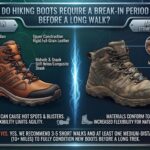
    4. Comfortable and Durable Footwear

    Shoes can make or break a hiking experience.

    Kids need shoes that are:

    • Comfortable
    • Lightweight
    • Non-slip

    Avoid brand-new shoes on the first hike — they can cause blisters.

    Tips

    • Choose shoes with good grip
    • Make sure they fit properly
    • Use moisture-wicking socks

    A child with sore feet will not enjoy the hike.


    5. First Aid Kit

    A first aid kit is a must-have, no matter how easy the trail seems.

    What to Include

    • Bandages
    • Antiseptic wipes
    • Pain relief medicine
    • Blister treatment
    • Insect bite cream

    Kids are more prone to small injuries like cuts and scrapes.

    Being prepared can prevent panic.


    6. Navigation Tools (Map or GPS)

    Even if you are hiking on a known trail, navigation tools are essential.

    Options

    • Printed map
    • GPS device
    • Mobile phone with offline maps

    Technology can fail, so having a backup is important.

    Teach Kids Basic Navigation

    Older kids can learn:

    • Reading simple maps
    • Recognizing trail markers

    This builds confidence and awareness.


    7. Sun Protection

    Sun exposure can be harmful, especially for kids.

    Essentials

    • Sunscreen (SPF 30+)
    • Hat
    • Sunglasses

    Apply sunscreen before starting and reapply every 2 hours.

    Even cloudy days can cause sunburn.


    8. Emergency Shelter or Rain Protection

    Weather can change unexpectedly.

    Always carry:

    • Light rain jacket
    • Poncho
    • Emergency blanket

    Even if the forecast looks clear, sudden rain can happen.

    Being unprepared can lead to discomfort or illness.


    9. Backpack (Kid-Friendly and Lightweight)

    A good backpack helps organize everything.

    For Parents

    Carry the main supplies.

    For Kids

    If they are old enough, let them carry a small backpack with:

    • Snacks
    • Water bottle
    • Small toy

    This makes them feel responsible and involved.

    But dont overload their bag.


    10. Entertainment and Motivation Tools

    This is something many parents overlook.

    Kids get bored easily.

    Ideas to Keep Them Engaged

    • Nature scavenger hunt
    • Binoculars
    • Small toys
    • Storytelling games

    Turning the hike into an adventure keeps kids motivated.


    How to Use These Essentials Effectively

    Having the right items is only part of the solution.

    You also need to use them properly.


    Plan Ahead

    Before leaving:

    • Check weather
    • Choose kid-friendly trail
    • Pack essentials

    Planning reduces stress.


    Keep Things Flexible

    Sometimes kids get tired early.

    Sometimes plans change.

    That is normal.

    Dont force the hike.


    Monitor Your Child’s Condition

    Watch for signs of:

    • Fatigue
    • Dehydration
    • Hunger

    Take action early to avoid problems.


    Make It Fun

    The goal is not distance.

    The goal is enjoyment.


    Common Mistakes Parents Make

    Avoid these mistakes:

    • Not carrying enough water
    • Ignoring weather changes
    • Choosing difficult trails
    • Overpacking or underpacking
    • Expecting kids to walk like adults

    Even experienced parents sometimes make these mistakes.


    How to Pack Efficiently

    Packing properly makes a big difference.

    Tips

    • Use compartments in your bag
    • Keep frequently used items easily accessible
    • Distribute weight evenly

    Efficient packing saves time and energy.


    Safety Tips for Hiking with Kids

    Safety should always be the top priority.

    Basic Rules

    • Stay on the trail
    • Keep kids within sight
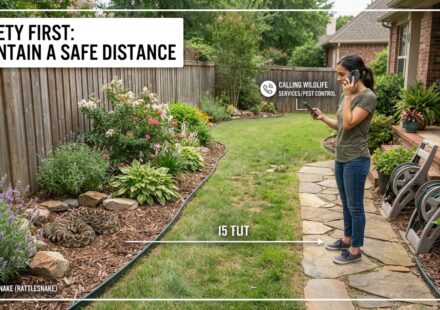
    • Teach them not to approach animals

    Kids can get distracted very easily.


    Benefits of Hiking with Kids

    Hiking is not just fun — it’s beneficial.

    Physical Benefits

    • Improves strength
    • Boosts endurance

    Mental Benefits

    • Reduces stress
    • Improves focus

    Emotional Benefits

    • Builds confidence
    • Strengthens family bond

    These benefits last long after the hike is over.


    Best Age to Start Hiking

    You can start hiking at any age.

    • Toddlers: Short walks or carriers
    • Ages 4–7: Easy trails
    • Ages 8+: Longer hikes

    Every child is different.


    Final Thoughts

    Understanding what are the 10 essentials for hiking with kids can completely change your outdoor experience.

    Preparation is the difference between:

    • A stressful trip
    • A memorable adventure

    With the right essentials, hiking becomes:

    • Safer
    • Easier
    • More enjoyable

    Remember, kids don’t measure success by distance.

    They measure it by fun.

    So focus on creating a positive experience, and your kids will grow to love hiking.

    And once they love it, every trail becomes an opportunity for adventure.

  • 20 Tips for Hiking with Kids

    20 Tips for Hiking with Kids

    The Ultimate Parent’s Guide to Safe, Fun Outdoor Adventures: 20 Tips for Hiking with toddlers. The Complete Parent’s Guide to Fun, Safe, and Memorable Adventures.


    Hiking with kids can be one of the most rewarding experiences for a family. It’s not just about walking through nature — it’s about building memories, teaching resilience, and helping children connect with the world beyond screens. However, taking kids on a hike is very different from hiking solo or with other adults. It require planning, patience, and a bit of creativity.

    (more…)