
Are there alternative ways to see the river without hiking 15 hours?

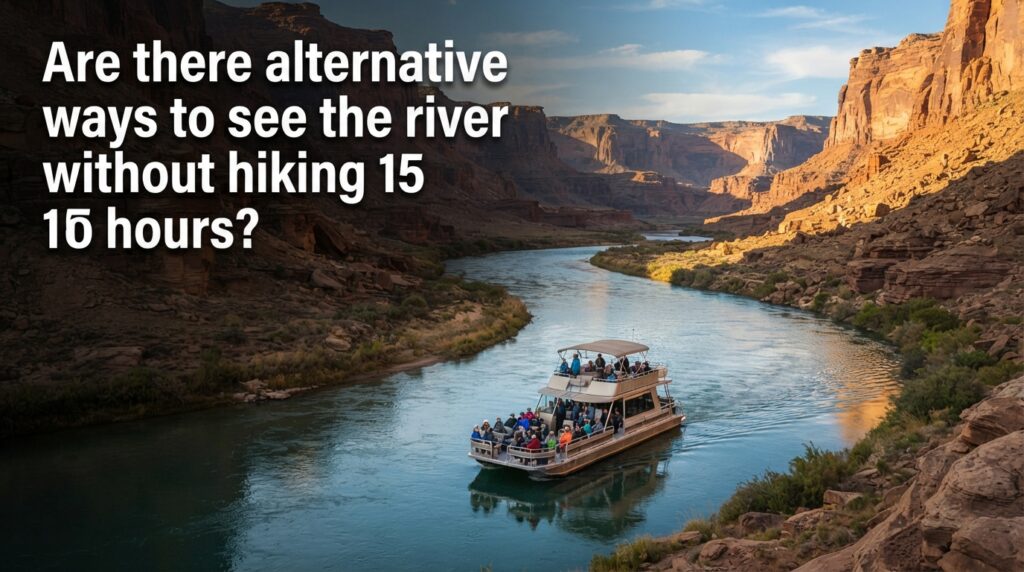
If your idea of a dream vacation involves soaking in majestic river views, dramatic canyon walls, and pristine riparian wildlife—without spending two full days sweating through a 15-hour backcountry endurance march—you are definitely not alone.
For urban dwellers and outdoor lovers based out of high-paced hubs like San Francisco, Los Angeles, New York City, Seattle, and Austin, free time is precious. Spending an entire weekend nursing blistered heels and aching joints just to catch a glimpse of moving water isn’t everyone’s definition of leisure.
Fortunately, the United States is threaded by legendary waterways that don’t require heavy trekking boots to experience. From leisurely electric boat rentals in Texas to scenic historic train routes slicing through the Pacific Northwest and New York, you can witness breathtaking river ecosystems with minimal sweat and maximum comfort.
Below is an exhaustive, deep-dive guide detailing the best non-hiking alternatives to experience America’s premier rivers, complete with activity options, equipment reviews, comparison tables, insider tips, and 10 detailed FAQs.
1. Why Skip the 15-Hour Trail Trek?
The traditional hiking culture dictates that you have to suffer to earn a view. However, modern outdoor recreation has evolved to prioritize accessibility, relaxation, and immersive low-impact travel.
- Time Efficiency: A 15-hour hike usually translates to a brutal weekend commitment involving multi-day planning, heavy packing, and physical exhaustion. Alternative water-based or rail-side excursions let you absorb the scenery in a single afternoon.
- Accessibility for All Ages: Whether you are traveling with multi-generational families, young children, or individuals with limited mobility, alternative river viewing opens up nature to everyone.
- Perspectives You Can’t See From Footpaths: Many river canyons feature sheer cliff faces or dense wetlands that trails simply cannot reach. Being on the water or riding alongside it via rail provides an entirely unique vantage point.
2. Top Regions and Alternative River Viewing Methods
Depending on where you live or travel, different regions offer distinct, non-strenuous ways to get up close and personal with major rivers.
Pacific Northwest (Washington & San Francisco / California)
- The Experience: Washington state and Northern California feature glacier-fed rivers, dense evergreen forests, and tidal estuaries.
- The Alternative: Instead of rugged canyon hiking, you can board historic excursion trains (like the Skagit River railway routes) or rent stable, flat-water kayaks and electric pontoon boats to glide past wildlife without climbing a single elevation ridge.
Texas & Austin Waterways
- The Experience: Texas rivers like the Colorado River (flowing through Austin) and the Guadalupe River carve through scenic limestone bluffs.
- The Alternative: Texas is the capital of casual water recreation. Skip the heat-stroke-inducing trail hikes and opt for stand-up paddleboarding (SUP), motorized boat cruises, or classic inner-tube floating (tubing) with zero hiking required.
New York & The Northeast
- The Experience: Rivers like the Hudson and the Delaware trace historical trade routes framed by rolling hills, autumn foliage, and sprawling estates.
- The Alternative: Scenic rail-trails (paved, ADA-compliant paths built on historic rail lines) and narrated river cruise boats allow you to experience the water while sipping coffee in total comfort.
3. Comparative Analysis: Alternative River Exploration Methods
To help you decide how to experience your next river destination without lacing up hiking boots, we compared the top alternative methods based on effort, cost, and scenery access.
Comparison Table: Non-Hiking River Adventure Options
| Activity Type | Physical Effort Level | Average Cost | Best Suited For | Top Regional Hotspots |
| Guided Scenic Boat Cruises | Minimal (Sit back & relax) | $$-$$$ | Families, photography, relaxation | Hudson River (NY), Austin Lake/River tours (TX) |
| E-Bike Rail-Trails | Low to Moderate | $-$$ | Active sightseeing without heavy climbing | Columbia River Gorge (WA), Northern CA paths |
| Kayaking & Stand-Up Paddling (SUP) | Moderate (Water-based) | $-$$ | Immersive water-level wildlife viewing | Austin (TX), Russian River (CA), Puget Sound (WA) |
| Historic Scenic Railroads | Zero (Passenger seating) | $$$ | All-ages sightseeing, rainy days | Pacific Northwest river valleys, Upstate NY |
| Drive-Up Scenic Overlooks & Car Camping | Minimal | Free to $ | Road-trippers pressed for time | Big Sur rivers (CA), Texas Hill Country |
4. In-Depth Product & Experience Reviews
1. Electric Pontoon Boat Rentals (Austin, TX & San Francisco Bay Area)
- Effort Level: Zero physical exertion.
- The Experience: Renting a self-drive electric boat (such as Duffy boats popular on urban waterways) lets you captain your own vessel along calm river bends and urban waterfronts. You can bring food, drinks, and friends while cruising at a relaxing 5 mph.
- Verdict: The ultimate stress-free group activity for sunny afternoons in Texas and California.
2. Paved Rail-Trail E-Biking (Washington State & New York)
- Effort Level: Low (thanks to pedal-assist technology).
- The Experience: Converted railway paths like Washington’s Spruce Railroad Trail run flat and smooth directly alongside majestic river banks and lakes. Renting a class-1 e-bike allows you to cover 15 miles of pristine river scenery in an hour without breaking a sweat.
- Verdict: Perfect for active travelers who want fresh air and speed without vertical mountain climbing.
3. Guided Sunset River Dinner Cruises (Hudson River, NYC)
- Effort Level: Zero.
- The Experience: Step aboard a multi-level vessel equipped with dining rooms, panoramic glass windows, and open-air top decks. You get unobstructed, dynamic views of the river and skyline shifting under golden hour light.
- Verdict: Ideal for romantic evenings or celebrating special occasions without leaving comfort behind.
5. Pro Tips for Enjoying Rivers Without Hiking
- Book Watercraft in Advance: Popular urban and semi-rural river spots (like Lady Bird Lake in Austin or Russian River rentals in California) book out weeks in advance during peak spring and summer seasons.
- Check Flow Rates and Weather: Even if you aren’t hiking, river conditions change rapidly based on upstream dam releases and seasonal snowmelt. Always check local advisory boards before heading out on a kayak or boat.
- Leverage Accessibility Features: Many state parks along major rivers feature paved, wheelchair-accessible overlooks and boardwalks that bring you right to the water’s edge without navigating dirt or rocks.
- Pack Binoculars and a Telephoto Lens: Viewing rivers from a boat or car means you can comfortably carry heavier optics equipment to spot eagles, river otters, and hawks that hikers often scare away with heavy footsteps.
6. 10 Large Frequently Asked Questions (FAQs)
1. Can I see major river canyons in the U.S. without doing strenuous hikes?
Yes. Many national and state parks offer paved rim trails, scenic drives, and overlooks (such as Horseshoe Bend on the Colorado River) that require less than a 15-minute flat walk from the parking lot.
2. What are the best rivers for beginner-friendly kayaking?
Calm, slow-moving flat-water rivers and protected reservoirs—such as sections of the Colorado River in Texas, parts of the Hudson River backwaters in New York, and sloughs in California—offer gentle currents ideal for novice paddlers.
3. Are e-bikes allowed on riverside trails in Washington and California?
Most multi-use paved rail-trails allow Class 1 e-bikes (pedal-assist up to 20 mph), but always check local municipal signage before hitting unpaved ecological paths.
4. Do I need a boating license to rent a motorized pontoon boat on a river?
In most states (including Texas, California, and New York), born-before date laws apply, but for standard electric rental boats under a certain horsepower limit, liveries provide a quick 10-minute on-site orientation instead of requiring a formal state license.
5. What is a rail-trail, and why is it great for non-hikers?
Rail-trails are abandoned railway corridors converted into multi-use public paths. They are typically flat, wide, paved or finely crushed gravel, and engineered with minimal steep inclines, making them ideal for casual walking and cycling.
6. Are scenic train rides expensive compared to hiking?
Train tickets require a financial investment (ranging from moderate to luxury prices), whereas hiking is technically free. However, trains offer a unique historical experience, complete shelter from bad weather, and zero physical strain.
7. How can I find ADA-accessible river overlooks near major cities?
State park websites and municipal recreation maps explicitly highlight “ADA Accessible” or “Paved Path” filters. Websites like AllTrails also allow you to filter trails specifically by wheelchair or stroller compatibility.
8. What safety gear do I need if I choose a water-based alternative?
If you rent a kayak, SUP, or small boat, reputable outfitters will provide U.S. Coast Guard-approved Personal Flotation Devices (PFDs). Always wear them, regardless of your swimming proficiency.
9. Can I bring pets on alternative river tours?
Some private boat rentals, outdoor patios, and paved rail-trails are very dog-friendly (especially in Austin and Seattle), but commercial dinner cruises and historic trains generally do not allow pets unless they are certified service animals.
10. What is the best time of year to experience river views without summer crowds?
Late spring (May to early June) and early autumn (September to October) offer gorgeous weather, lower humidity, vibrant seasonal foliage or wildflowers, and a fraction of the heavy summer tourist crowds.
7. Conclusion
You do not need to subject yourself to a grueling 15-hour endurance hike to appreciate the breathtaking beauty of America’s waterways. Whether you choose to glide across an Austin river on an electric boat, pedal an e-assist rail-trail through Washington state, or sit back on a scenic New York dinner cruise, alternative river exploration puts comfort, accessibility, and stunning scenery front and center.