

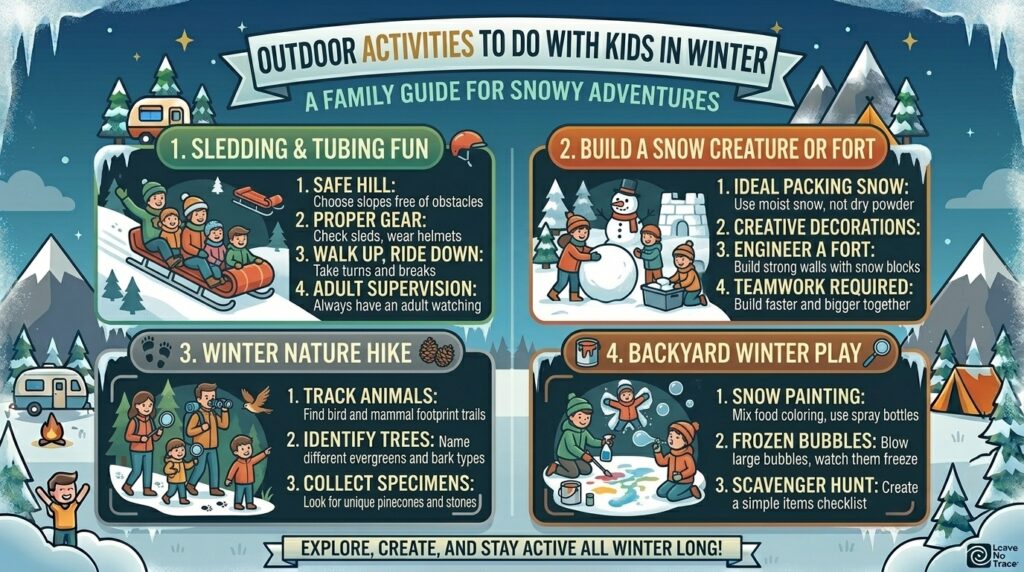
Winter is often seen as a season for staying indoors, wrapping up in blankets, and waiting for warmer weather to return. Many parents worry that cold temperatures, snow, shorter days, and icy weather make outdoor play difficult for children. However, winter can actually become one of the most magical and exciting seasons for family adventures.
Fresh snow, frosty mornings, cozy campfires, frozen lakes, and crisp air create endless opportunities for outdoor fun. Children naturally love exploring new environments, and winter transforms ordinary parks, forests, backyards, and neighborhoods into exciting playgrounds full of discovery.
Outdoor winter activities are not only fun but also extremely beneficial for children’s physical health, emotional development, creativity, and family bonding. Kids who spend time outdoors during winter often develop stronger immune systems, better physical fitness, improved confidence, and a deeper appreciation for nature.
The key is preparation.
With the right clothing, proper planning, and safe activities, winter outdoor adventures can become unforgettable experiences for both parents and children.
In this detailed guide, we will explore a huge variety of outdoor activities to do with kids in winter, including snow games, winter hikes, camping adventures, educational activities, creative outdoor play, family bonding experiences, and safety tips to help children enjoy the cold season comfortably and safely.
What are some fun outdoor activities you can do in winter?
Many children spend more time indoors during winter.
This often leads to:
- Increased screen time
- Reduced physical activity
- Lower energy levels
- Boredom
- Cabin fever
Outdoor winter play helps balance these problems.
Children benefit from fresh air, movement, sunlight, and exploration even during cold weather.
Physical Benefits of Outdoor Winter Play
Winter activities encourage kids to move their bodies in natural ways.
Benefits include:
- Better cardiovascular health
- Improved balance and coordination
- Stronger muscles
- Increased endurance
- Better flexibility
- Improved immune system support
Activities like sledding, snowball fights, hiking, and skating provide excellent exercise without feeling like formal workouts.
Mental and Emotional Benefits
Outdoor winter experiences also improve emotional well-being.
Nature can help reduce:
- Stress
- Anxiety
- Restlessness
- Mental fatigue
Winter adventures also encourage creativity, imagination, and confidence.
Children often feel proud after building snow forts, hiking snowy trails, or learning new winter skills.
Family Bonding During Winter
Winter activities create memorable family experiences.
Children often remember:
- Snow days
- Winter campfires
- Sledding races
- Hot chocolate after outdoor play
- Family hikes
These moments strengthen relationships and create lasting memories.
Dressing Kids Properly for Winter Activities
Comfort and safety begin with proper clothing.
Cold children quickly become unhappy children.
The secret to winter comfort is layering.
The Three-Layer Winter Clothing System
Base Layer
The base layer keeps moisture away from the skin.
Good materials include:
- Wool
- Synthetic fabrics
Avoid cotton because it holds moisture.
Middle Layer
This layer provides insulation.
Examples include:
- Fleece
- Down jackets
- Insulated sweaters
Outer Layer
The outer layer protects against:
- Wind
- Snow
- Rain
Waterproof and windproof jackets work best.
Winter Accessories Kids Need
Important accessories include:
- Gloves or mittens
- Warm socks
- Winter hats
- Scarves or neck gaiters
- Waterproof boots
Keeping hands and feet warm is especially important.
Snowman Building
Building snowmen is one of the most classic winter activities for children.
Kids love creating:
- Snowmen
- Snow animals
- Snow castles
- Snow families
Snow building encourages:
- Creativity
- Teamwork
- Physical movement
Children can decorate creations using:
- Sticks
- Stones
- Carrots
- Leaves
- Scarves
Snowball Fights
Snowball fights provide exciting outdoor exercise.
To keep them safe:
- Avoid ice chunks
- Use soft snow only
- Avoid throwing at faces
- Create simple rules
Snowball games improve coordination and teamwork.
Sledding Adventures
Sledding is one of the most exciting winter activities for kids.
Children enjoy:
- Speed
- Laughter
- Repeated climbs uphill
- Friendly races
Parents should choose safe hills without:
- Traffic
- Trees
- Rocks
- Water hazards
Helmets improve safety during fast sledding.
Ice Skating
Ice skating is both fun and physically beneficial.
Benefits include:
- Balance improvement
- Leg strength
- Coordination
- Confidence
Many children enjoy learning skating gradually.
Outdoor skating rinks often create magical winter experiences.
Snow Fort Building
Snow forts encourage imagination and teamwork.
Kids can create:
- Snow tunnels
- Mini castles
- Fort walls
- Secret hideouts
This activity keeps children active for long periods while encouraging problem-solving skills.
Winter Nature Walks
Nature looks completely different during winter.
Winter walks allow children to observe:
- Animal tracks
- Frozen ponds
- Snow-covered trees
- Winter birds
- Icicles
Even familiar parks feel new during snowy weather.
Animal Tracking
Tracking animal footprints in snow becomes an educational adventure.
Kids can search for tracks from:
- Rabbits
- Birds
- Deer
- Squirrels
- Foxes
This teaches children about wildlife and ecosystems.
Winter Hiking
Winter hiking can be incredibly beautiful.
Simple family-friendly trails work best for children.
Parents should:
- Dress kids warmly
- Bring snacks
- Carry water
- Avoid dangerous icy terrain
Winter hiking encourages endurance and outdoor confidence.
Backyard Winter Camping
Camping does not always require distant travel.
Backyard winter camping creates exciting experiences for kids.
Families can:
- Set up tents
- Use sleeping bags
- Build safe campfires
- Tell stories
- Drink hot chocolate
Children often find backyard adventures just as exciting as larger trips.
Building an Outdoor Campfire
Campfires create warmth and excitement during winter.
Kids enjoy:
- Roasting marshmallows
- Cooking snacks
- Listening to stories
- Staying warm outdoors
Adults should supervise campfires carefully at all times.
Hot Chocolate Picnic
Outdoor winter picnics feel surprisingly cozy.
Families can bring:
- Hot chocolate
- Warm soup
- Sandwiches
- Cookies
A snowy park picnic can become a memorable adventure.
Winter Photography Walks
Children enjoy taking photos of winter scenery.
Interesting subjects include:
- Snowflakes
- Frozen trees
- Wildlife
- Icicles
- Snowmen
Photography encourages observation and creativity.
Ice Exploration Activities
Frozen puddles and ice formations fascinate children.
Kids can examine:
- Ice textures
- Air bubbles
- Frost patterns
Always supervise children around frozen water carefully.
Making Snow Angels
Snow angels are simple but enjoyable.
This activity encourages movement and creativity.
Children often love comparing different angel designs.
Winter Scavenger Hunts
Scavenger hunts make winter walks more exciting.
Items to search for may include:
- Pinecones
- Animal tracks
- Red berries
- Icicles
- Bird nests
- Evergreen trees
Scavenger hunts keep children engaged during outdoor adventures.
Feeding Winter Birds
Winter is a good time to teach children about birds.
Kids can help:
- Fill bird feeders
- Identify bird species
- Observe feeding behavior
This encourages patience and appreciation for wildlife.
Snow Painting
Snow painting combines art and outdoor play.
Families can use spray bottles with colored water to paint snow creations.
Children enjoy decorating:
- Snowmen
- Snow forts
- Backyard snow art
Winter Sports for Older Kids
Older children may enjoy more advanced activities such as:
- Snowboarding
- Skiing
- Snowshoeing
- Hockey
These sports improve fitness and confidence.
Snowshoe Adventures
Snowshoeing is beginner-friendly and fun for families.
Children enjoy walking across deep snow while exploring winter landscapes.
Snowshoeing also provides excellent exercise.
Winter Obstacle Courses
Create outdoor obstacle courses using snow and winter equipment.
Ideas include:
- Jumping over snow piles
- Crawling through tunnels
- Balancing on logs
- Sled pulling races
Obstacle courses keep kids physically active.
Building Igloos
If snow conditions allow, building small igloos can become an exciting engineering project.
Kids learn:
- Teamwork
- Patience
- Problem-solving
Even small snow shelters feel magical to children.
Stargazing During Winter
Winter skies are often very clear.
Families can enjoy:
- Constellation spotting
- Moon observation
- Meteor showers
Warm blankets and hot drinks make stargazing more comfortable.
Winter Geocaching
Geocaching combines hiking with treasure hunting.
Kids use GPS devices or apps to search for hidden containers outdoors.
This turns ordinary walks into adventures.
Frozen Bubble Experiments
Blowing bubbles in freezing temperatures creates fascinating ice patterns.
Children love watching bubbles freeze.
This combines science with outdoor fun.
Winter Bike Rides
On safe dry days, winter cycling can still be enjoyable.
Children should wear:
- Helmets
- Gloves
- Bright clothing
Short family rides provide exercise and fresh air.
Visiting Frozen Waterfalls
Frozen waterfalls look magical during winter.
Children enjoy seeing dramatic ice formations.
Parents should choose safe viewing areas and avoid slippery hazards.
Outdoor Storytelling
Storytelling around campfires or snowy backyards creates memorable experiences.
Parents can tell:
- Adventure stories
- Winter legends
- Nature tales
Kids may also invent their own stories.
Winter Fishing Trips
Ice fishing or cold-weather fishing introduces children to patience and outdoor skills.
Safety is extremely important around frozen water.
Outdoor Winter Art Projects
Nature-based art projects may include:
- Ice sculptures
- Snow carving
- Leaf art
- Pinecone crafts
Outdoor creativity encourages imagination.
Volunteering Outdoors During Winter
Older children can participate in outdoor volunteer projects such as:
- Park cleanups
- Wildlife support
- Trail maintenance
This teaches responsibility and community values.
Winter Beach Walks
Beaches look peaceful and unique during winter.
Kids can explore:
- Seashells
- Driftwood
- Waves
- Coastal wildlife
Warm clothing makes winter beach walks surprisingly enjoyable.
Forest Exploration
Winter forests feel calm and magical.
Children enjoy:
- Listening to quiet snow
- Exploring trails
- Discovering animal signs
Forest adventures encourage curiosity.
Outdoor Winter Science Activities
Winter provides many science-learning opportunities.
Children can explore:
- Ice melting
- Snow crystal formation
- Temperature changes
- Frozen water expansion
Hands-on science outdoors feels exciting and educational.
Snow Maze Building
Families can create snow mazes in backyards or parks.
Kids enjoy designing pathways and tunnels.
This activity combines creativity and physical play.
Winter Relay Races
Simple outdoor races help children stay active.
Examples include:
- Sled pulling
- Snowball carrying
- Running races
- Obstacle challenges
Friendly competition adds excitement.
Building Outdoor Winter Traditions
Seasonal traditions create meaningful memories.
Examples include:
- Annual sledding trips
- Winter campfires
- First snowfall celebrations
- Family winter hikes
Traditions strengthen family connections.
Benefits of Outdoor Risk-Taking
Safe outdoor challenges help children develop:
- Confidence
- Resilience
- Problem-solving skills
Activities like climbing snowy hills or learning to skate build independence.
Winter Gardening Activities
Even winter offers gardening opportunities.
Kids can:
- Feed wildlife
- Prepare garden beds
- Learn about dormant plants
This teaches seasonal awareness.
Why Kids Need Outdoor Play in Every Season
Children benefit from nature year-round.
Avoiding outdoor activity during winter may reduce:
- Physical movement
- Exploration
- Confidence-building opportunities
Winter teaches adaptability and resilience.
Safety Tips for Winter Activities With Kids
Safety should always remain the top priority.
Watch for Frostbite
Cold skin may become:
- Pale
- Numb
- Painful
Warm children immediately if signs appear.
Prevent Hypothermia
Wet clothing increases danger.
Keep children:
- Dry
- Warm
- Well-fed
Take breaks indoors if necessary.
Stay Hydrated
Kids may forget to drink water during winter.
Hydration remains important even in cold weather.
Use Sunscreen
Snow reflects sunlight strongly.
Winter sunburn is possible, especially at high elevations.
Check Weather Conditions
Avoid dangerous conditions such as:
- Blizzards
- Extreme wind
- Ice storms
Safety always comes first.
Supervise Around Ice
Frozen lakes and ponds can be dangerous.
Never assume ice is safe unless officially confirmed.
Teach Winter Awareness
Children should learn basic winter safety including:
- Staying visible
- Recognizing cold symptoms
- Following trail rules
Outdoor education builds confidence.
Encouraging Reluctant Kids
Some children initially dislike cold weather.
Parents can help by:
- Keeping activities short
- Offering warm rewards
- Choosing fun games
- Dressing kids comfortably
Positive experiences build enthusiasm.
Balancing Technology and Outdoor Time
Winter often increases screen time.
Outdoor activities provide healthier balance.
Nature encourages real-world interaction and creativity.
Why Parents Should Participate Too
Children enjoy activities more when parents join them.
Family participation encourages:
- Bonding
- Motivation
- Shared memories
Parents often rediscover winter fun themselves.
Winter Outdoor Activities on a Budget
Many winter activities cost little or nothing.
Affordable ideas include:
- Snow play
- Nature walks
- Backyard camping
- Sledding
- Birdwatching
Outdoor fun does not require expensive equipment.
Indoor Warm-Up Breaks
Combining outdoor play with indoor warm-ups works well for younger kids.
Warm breaks may include:
- Soup
- Hot chocolate
- Blankets
- Storytime
Balance prevents exhaustion.
The Emotional Magic of Winter
Winter creates unique emotional experiences.
Snowfall, campfires, quiet forests, and frosty mornings often feel magical to children.
Outdoor winter adventures create memories that last for years.
Teaching Appreciation for Nature
Winter helps children notice seasonal changes in nature.
They learn:
- Animal adaptation
- Weather patterns
- Plant cycles
- Ecosystem changes
Outdoor education becomes more meaningful through direct experience.
How Winter Activities Build Confidence
Trying new winter skills helps children overcome fear and uncertainty.
Learning to:
- Skate
- Hike
- Snowshoe
- Build shelters
creates pride and confidence.
Creating Balanced Winter Childhoods
A balanced childhood includes outdoor play in all seasons.
Children who explore nature year-round often develop stronger emotional resilience and environmental appreciation.
Final Thoughts
Winter does not have to be a season of boredom, excessive screen time, or staying indoors all day. In fact, winter can become one of the most exciting and memorable seasons for children when families embrace outdoor adventures together.
From sledding and snowman building to winter hikes, campfires, scavenger hunts, snow forts, skating, and wildlife exploration, there are countless outdoor activities that help children stay active, creative, and emotionally healthy during cold weather.
Outdoor winter activities provide important benefits including:
- Better physical fitness
- Stronger family bonds
- Improved confidence
- Reduced stress
- Greater creativity
- Appreciation for nature
The key to successful winter adventures is preparation. Warm clothing, proper safety awareness, flexible planning, and positive attitudes help children enjoy the outdoors comfortably even in cold temperatures.
Children rarely remember the hours spent indoors watching screens. But they often remember snowy adventures, winter campfires, sledding races, frozen forests, and outdoor laughter for the rest of their lives.
Winter is not something children simply need to “get through.” It can become a season full of discovery, excitement, learning, and unforgettable family memories.
With the right mindset and activities, outdoor winter adventures can become some of the happiest moments of childhood.