
Camping is one of the most enjoyable outdoor activities in the world. People camp for many different reasons. Some want adventure in the mountains, some enjoy peaceful nights near lakes, while others simply want to escape the stress of city life. No matter the reason, one thing is always important during any camping trip: sleep.
A comfortable sleeping setup can completely change the camping experience. Poor sleep can turn a fun outdoor trip into a frustrating and exhausting experience. Body pain, cold temperatures, uneven ground, insects, moisture, and lack of support can all affect sleep quality. That is why choosing the most comfortable sleeping option for camping is extremely important.
Modern camping equipment has improved dramatically over the years. Campers now have access to advanced sleeping systems that offer excellent comfort, warmth, support, and convenience. From air mattresses and sleeping pads to camping cots and hammocks, there are many sleeping options available.
But which one is truly the most comfortable?
The answer depends on several factors including camping style, weather conditions, body type, sleeping habits, budget, portability needs, and personal preferences.
This detailed guide explores every major camping sleeping option and helps determine which one provides the highest level of comfort for different types of campers.
Why Comfortable Sleep Matters During Camping
Many people underestimate how important sleep is during outdoor trips.
Camping often involves physical activities such as:
- Hiking
- Fishing
- Climbing
- Swimming
- Exploring trails
- Carrying equipment
- Cooking outdoors
Without proper rest, campers may experience:
- Fatigue
- Back pain
- Low energy
- Mood problems
- Reduced focus
- Increased stress
- Poor outdoor performance
Comfortable sleep improves both physical recovery and mental enjoyment.
A good sleeping setup helps campers:
- Stay warm
- Reduce pressure points
- Protect against uneven ground
- Avoid moisture
- Sleep longer and deeper
- Wake up refreshed
The right sleeping option can make camping feel relaxing rather than exhausting.
Factors That Affect Camping Sleep Comfort
Before identifying the most comfortable sleeping option, it is important to understand what affects comfort during camping.
Ground Insulation
Cold ground can rapidly remove body heat.
Good sleeping systems provide insulation between the body and the ground.
Cushioning and Support
Hard surfaces can create pressure points on:
- Hips
- Shoulders
- Lower back
- Knees
Proper cushioning improves spinal alignment and reduces pain.
Sleeping Position
Different people sleep differently.
Common sleeping positions include:
- Side sleeping
- Back sleeping
- Stomach sleeping
- Combination sleeping
Side sleepers usually need thicker cushioning.
Weather Conditions
Camping comfort changes depending on:
- Temperature
- Humidity
- Wind
- Rain
- Snow
Winter camping requires more insulation.
Tent Space
Larger sleeping systems require larger tents.
Comfort often increases with more sleeping space.
Portability
Backpackers prioritize lightweight gear.
Car campers prioritize comfort.
The ideal sleeping option depends heavily on transportation style.
Camping Duration
Weekend camping and multi-week camping may require different sleep systems.
Long trips usually demand greater comfort.
Main Types of Camping Sleeping Options
There are several popular sleeping systems used by campers today.
1. Sleeping Pads
Sleeping pads are among the most common camping sleeping options.
They provide insulation and cushioning directly on the ground.
Types of Sleeping Pads
Foam Sleeping Pads
Simple foam pads are lightweight and durable.
Inflatable Sleeping Pads
Air-filled pads offer adjustable comfort.
Self-Inflating Pads
These combine foam and air for balanced support.
2. Air Mattresses
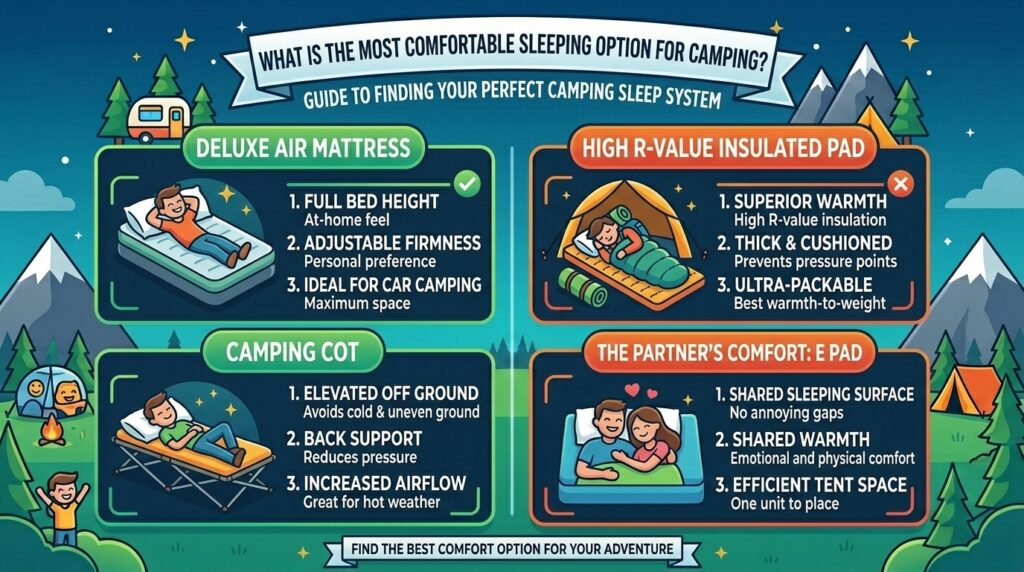
Air mattresses are larger inflatable beds commonly used for car camping.
They often resemble home mattresses.
3. Camping Cots
Camping cots elevate the sleeper above the ground.
They use stretched fabric supported by metal frames.
4. Hammocks
Camping hammocks suspend sleepers above the ground between trees.
Some campers find hammocks extremely comfortable.
5. Rooftop Tent Mattresses
Rooftop tents include built-in sleeping platforms mounted on vehicles.
They often include foam mattresses.
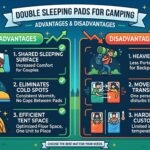
6. Double Sleeping Systems
Couples often use double sleeping pads or double air mattresses.
These create shared sleeping spaces.
Is an Air Mattress the Most Comfortable Sleeping Option?
For many campers, air mattresses provide the closest experience to sleeping at home.
High-quality camping air mattresses can be extremely comfortable.
Advantages of Air Mattresses
Thick Cushioning
Many air mattresses are several inches thick.
This provides excellent softness and pressure relief.
Spacious Sleeping Surface
Air mattresses often feel similar to traditional beds.
Great for Side Sleepers
Side sleepers benefit from extra cushioning.
Adjustable Firmness
Users can increase or decrease air pressure.
Excellent for Car Camping
Weight and size matter less during car camping.
Disadvantages of Air Mattresses
Despite their comfort, air mattresses have drawbacks.
Poor Insulation
Basic air mattresses may become cold in low temperatures.
Bulky and Heavy
Large air mattresses are difficult to carry long distances.
Puncture Risk
Sharp objects may damage the mattress.
Air Pressure Changes
Cold temperatures can reduce firmness overnight.
Are Sleeping Pads More Comfortable?
Modern sleeping pads have improved dramatically.
Some premium sleeping pads now rival home mattresses in comfort.
Why Sleeping Pads Are Popular
Sleeping pads combine:
- Cushioning
- Insulation
- Portability
- Durability
They are one of the most versatile camping sleeping systems.
Advantages of Sleeping Pads
Excellent Insulation
Sleeping pads often provide better insulation than standard air mattresses.
Lightweight Designs
Backpackers prefer lightweight sleeping pads.
Compact Storage
Many inflatable pads pack very small.
Better Outdoor Durability
Camping-specific pads are designed for rough terrain.
Good Support
Premium models provide excellent spinal support.
Disadvantages of Sleeping Pads
Narrow Sleeping Area
Some pads feel restrictive.
Less Bed-Like Feel
Basic pads may not feel luxurious.
Movement on Uneven Ground
Ground conditions still affect comfort.
Are Camping Cots the Most Comfortable?
Many experienced campers consider camping cots the most comfortable option.
Camping cots elevate the sleeper off the ground, which changes the entire sleeping experience.
Advantages of Camping Cots
Elevated Sleeping Position
Sleeping above the ground reduces:
- Moisture exposure
- Cold transfer
- Ground pressure
- Uneven terrain discomfort
Better Airflow
Air circulation underneath improves cooling in warm weather.
Easy Getting In and Out
Older campers often prefer cots because standing up is easier.
Reduced Back Pain
Firm cot surfaces may improve spinal alignment.
Great for Long Trips
Comfort becomes more important during extended camping.
Disadvantages of Camping Cots
Heavy and Bulky
Cots are difficult to transport during backpacking.
Limited Insulation in Cold Weather
Airflow underneath can create cold sleeping conditions.
Assembly Required
Some cots take time to set up.
Larger Tent Needed
Cots occupy significant tent space.
Are Hammocks the Most Comfortable Sleeping Option?
Some campers absolutely love hammock camping.
Others find it uncomfortable.
Comfort depends heavily on sleeping style and setup quality.
Advantages of Hammocks
No Ground Contact
Hammocks avoid:
- Rocks
- Roots
- Mud
- Wet terrain
Excellent Airflow
Warm-weather camping becomes cooler and more comfortable.
Gentle Body Cradling
Many users enjoy the floating sensation.
Lightweight Setup
Backpacking hammocks can be very lightweight.
Disadvantages of Hammocks
Requires Trees
Not all campsites support hammocks.
Learning Curve
Proper setup is important.
Cold Weather Challenges
Insulation underneath becomes necessary.
Limited Sleeping Positions
Some side sleepers struggle with hammocks.
Which Sleeping Option Is Best for Side Sleepers?
Side sleepers often need the most cushioning.
Pressure points around the hips and shoulders can become painful.
Best Options for Side Sleepers
Thick Inflatable Sleeping Pads
Premium pads provide deep cushioning.
Air Mattresses
Soft surfaces reduce pressure.
Padded Camping Cots
Some cot systems include foam toppers.
Thin foam pads are usually less comfortable for side sleepers.
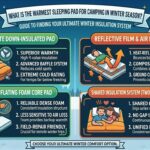
Which Sleeping Option Is Best for Cold Weather Camping?
Cold-weather camping requires excellent insulation.
Body heat loss can become dangerous.
Best Cold-Weather Options
Insulated Sleeping Pads
High R-value pads provide strong insulation.
Self-Inflating Pads
Foam insulation improves warmth.
Double Sleeping Systems
Shared body heat increases warmth.
Cot Plus Sleeping Pad Combination
Using insulation on top of a cot improves warmth.
Air mattresses alone may become very cold in winter.
Which Sleeping Option Is Best for Backpacking?
Backpackers prioritize portability.
Weight becomes extremely important.
Best Backpacking Options
Lightweight Inflatable Sleeping Pads
Modern ultralight pads balance comfort and portability.
Foam Pads
Minimalist backpackers often prefer foam pads.
Hammocks
Lightweight hammock systems are popular in forest environments.
Heavy cots and air mattresses are usually impractical for backpacking.
Which Sleeping Option Is Best for Car Camping?
Car camping allows campers to prioritize comfort over weight.
Best Car Camping Sleeping Options
Large Air Mattresses
Excellent bed-like comfort.
Thick Double Sleeping Pads
Very comfortable for couples.
Luxury Camping Cots
Strong support and elevation.
Some campers even combine cots with memory foam toppers.
Which Sleeping Option Is Best for Couples?
Couples usually prioritize shared comfort.
Best Options for Couples
Double Sleeping Pads
No center gap.
Queen-Size Air Mattresses
Large sleeping area.
Double Cot Systems
Elevated shared sleeping platforms.
Shared sleeping surfaces improve warmth and closeness.
What Is the Most Luxurious Camping Sleeping Setup?
Luxury camping, also called glamping, focuses heavily on comfort.
The most luxurious camping sleeping systems often include:
- Thick air mattresses
- Double sleeping pads
- Foam mattress toppers
- Large camping cots
- Real pillows
- Heavy blankets
- Heated bedding
Some glamping tents offer sleeping comfort similar to hotel rooms.
The Role of Sleeping Bags in Comfort
Even the best sleeping surface cannot guarantee comfort without proper bedding.
Sleeping bags play a major role.
A Good Sleeping Bag Provides
- Warmth
- Softness
- Moisture management
- Wind protection
Choosing the correct sleeping bag temperature rating is essential.
Pillows and Camping Comfort
Many campers forget about pillows.
Neck support greatly affects sleep quality.
Common Camping Pillow Options
Inflatable Pillows
Compact and lightweight.
Compressible Foam Pillows
More comfortable but bulkier.
Regular Household Pillows
Popular during car camping.
A quality pillow can dramatically improve camping sleep.
Ground Conditions and Sleeping Comfort
Even the best sleeping systems perform poorly on terrible campsites.
Always look for:
- Flat terrain
- Dry ground
- Soft surfaces
- Minimal rocks and roots
Proper campsite selection is extremely important.
The Importance of Tent Quality
Tent quality affects sleep comfort more than many people realize.
A good tent helps:
- Block wind
- Reduce moisture
- Maintain warmth
- Improve ventilation
- Minimize insects
Cramped tents reduce sleeping comfort.
Noise and Sleep Quality During Camping
Camping environments can be noisy.
Common disturbances include:
- Wind
- Rain
- Wildlife
- Other campers
- Snoring
- Fabric movement
Some sleeping systems are noisier than others.
Cheap air mattresses and sleeping pads may produce loud squeaking or crinkling sounds.
Premium materials often reduce noise.
Body Type and Sleeping Comfort
Different body types require different sleeping support.
Heavier Campers
May need:
- Thicker cushioning
- Stronger support
- Higher weight capacity
Taller Campers
Need longer sleeping surfaces.
Sensitive Sleepers
Benefit from quieter, more stable systems.
Personal comfort varies greatly.
Foam Mattress Toppers for Camping
Some car campers use memory foam mattress toppers.
These significantly improve comfort.
Advantages
- Excellent softness
- Better pressure relief
- Improved insulation
Disadvantages
- Bulky storage
- Heavy weight
- Moisture sensitivity
Memory foam is impractical for backpacking but excellent for car camping.
Hybrid Sleeping Systems
Many experienced campers combine multiple sleeping solutions.
Examples include:
- Cot plus sleeping pad
- Air mattress plus foam topper
- Hammock plus underquilt
- Sleeping pad inside rooftop tent
Hybrid systems often maximize comfort.
Rooftop Tent Comfort
Rooftop tents have become increasingly popular.
They provide:
- Elevated sleeping
- Better protection
- Built-in mattresses
- Improved views
- Cleaner sleeping areas
Many rooftop tents include high-density foam mattresses.
Some campers upgrade them with additional toppers.
Sleeping Comfort for Older Campers
Older campers often prioritize comfort more heavily.
Common concerns include:
- Joint pain
- Back stiffness
- Difficulty standing up
- Sensitivity to cold
Camping cots and thick air mattresses are often preferred.
Ease of getting in and out of bed becomes important.
Sleeping Comfort for Children
Children may sleep comfortably on simpler systems.
However, parents should still prioritize:
- Warmth
- Safety
- Moisture protection
- Softness
Double sleeping systems are common for family camping.
Budget vs Premium Sleeping Systems
Price strongly affects camping comfort.
Budget Options
Foam Pads
Affordable and durable.
Basic Air Mattresses
Inexpensive but less durable.
Entry-Level Sleeping Pads
Decent for occasional use.
Premium Options
Luxury Sleeping Pads
Advanced support and insulation.
High-End Cots
Strong frames and padded surfaces.
Premium Air Mattresses
Improved durability and comfort.
Frequent campers often benefit from higher-quality gear.
Common Camping Sleep Problems
Even with good equipment, some campers struggle with sleep.
Feeling Too Cold
Usually caused by insufficient insulation.
Back Pain
Often caused by poor support or uneven ground.
Overheating
Can result from improper ventilation.
Deflating Air Mattresses
Leaks create uncomfortable sleeping conditions.
Condensation
Poor airflow may create dampness.
Identifying the problem helps improve future trips.
Tips for Creating the Most Comfortable Camping Sleep Setup
Choose the Right Sleeping Surface
Match the sleeping system to your camping style.
Use Quality Bedding
Good sleeping bags and blankets improve comfort.
Bring Extra Layers
Weather conditions may change unexpectedly.
Ventilate the Tent
Proper airflow reduces moisture.
Keep Gear Organized
Cluttered tents reduce sleeping space.
Wear Dry Clothing
Dry sleepwear improves warmth.
Avoid Sleeping Directly on Slopes
Flat sleeping areas improve spinal alignment.
Which Sleeping Option Do Experienced Campers Prefer?
Preferences vary greatly.
Backpackers
Usually prefer lightweight inflatable sleeping pads.
Car Campers
Often choose thick air mattresses or cots.
Overlanders
Frequently use rooftop tents and luxury pads.
Minimalists
Prefer foam pads.
Hammock Enthusiasts
Love suspended sleeping systems.
There is no universal answer for everyone.
The Most Comfortable Overall Camping Sleeping Option
If comfort alone is the top priority and portability is not a major concern, many campers agree that a combination setup provides the best experience.
Most Comfortable Overall Setup
Camping Cot + Thick Sleeping Pad or Foam Topper
This setup offers:
- Elevation from the ground
- Strong support
- Excellent cushioning
- Better airflow
- Reduced moisture exposure
- Improved spinal alignment
For car camping and glamping, this is often considered the ultimate sleeping solution.
Best Comfortable Sleeping Option for Different Situations
Best for Backpacking
Ultralight inflatable sleeping pad.
Best for Couples
Double sleeping pad or queen air mattress.
Best for Cold Weather
High R-value insulated sleeping pad.
Best for Luxury Camping
Cot with foam mattress topper.
Best for Summer Camping
Hammock with bug net.
Best for Older Campers
Camping cot with padded surface.
Environmental Impact of Camping Gear
Modern campers increasingly consider sustainability.
Some companies now produce eco-friendly sleeping systems using:
- Recycled fabrics
- Sustainable foam
- Reduced chemical treatments
- Responsible manufacturing
Durable gear also reduces environmental waste.
Proper maintenance extends product lifespan.
Future of Camping Sleep Technology
Camping gear technology continues advancing rapidly.
Future innovations may include:
- Smart temperature control
- Self-adjusting firmness
- Solar-powered inflation
- Heated sleeping surfaces
- Advanced lightweight insulation
- Biodegradable materials
Comfort levels will likely continue improving.
Final Thoughts
So, what is the most comfortable sleeping option for camping?
The answer depends on how you camp, where you camp, and what type of comfort matters most to you.
For pure luxury and maximum comfort during car camping, a camping cot combined with a thick sleeping pad or foam topper is often considered the best overall setup. It provides excellent support, elevation from the ground, improved airflow, and outstanding comfort.
For backpackers who need portability, modern inflatable sleeping pads offer the best balance between comfort and lightweight performance, double sleeping pads and queen-size air mattresses create spacious and cozy sleeping arrangements.
For warm-weather campers, hammocks provide unique comfort and airflow.
Ultimately, the most comfortable sleeping option is the one that matches your body, your camping style, your environment, and your personal preferences.
Camping should be enjoyable, relaxing, and refreshing. A high-quality sleeping setup can dramatically improve outdoor adventures and help campers wake up energized and ready to explore nature.
Investing in better sleep during camping is never a waste. Comfortable rest is one of the foundations of a successful and memorable outdoor experience.
Whether you prefer luxurious glamping setups, minimalist backpacking gear, elevated cots, soft air mattresses, or lightweight hammocks, the perfect camping sleeping system is the one that allows you to truly enjoy the beauty of the outdoors while sleeping peacefully under the stars.